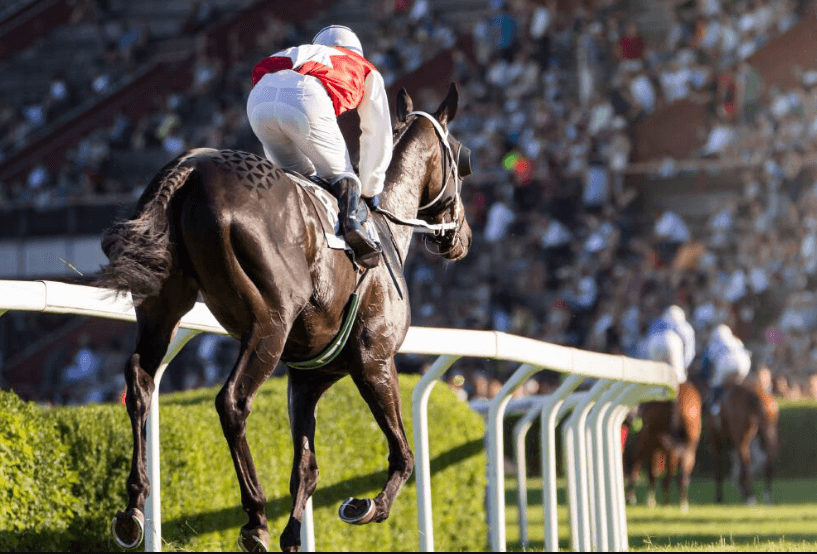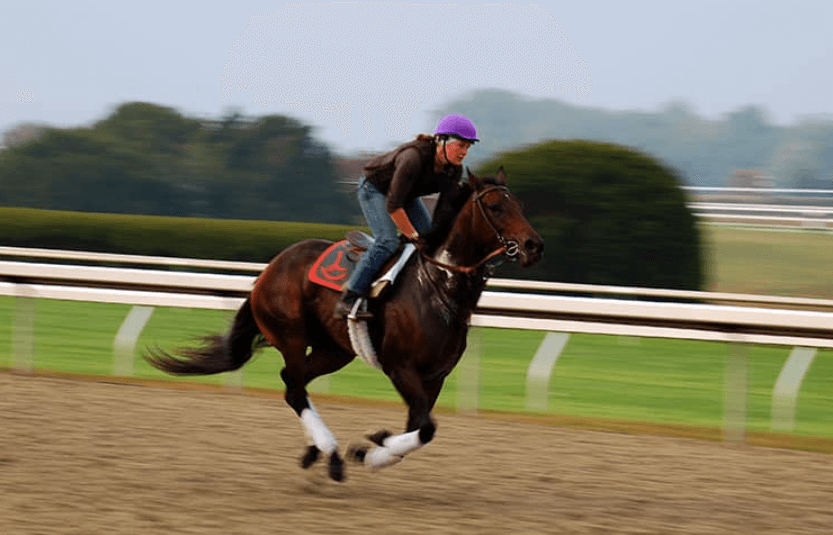
Training a racehorse is a complex endeavor that requires careful planning and execution. It begins with early socialization to instill confidence and adaptability. Customized training regimens follow, tailored to each horse’s unique strengths and weaknesses. Nutrition plays a vital role, as does mental conditioning to prepare for competitive pressures. Understanding these elements reveals the intricate process behind a horse’s readiness for the racing circuit, raising questions about the specific methodologies employed.
The Foundation of Training: Early Development and Socialization
In the realm of horse training, the early stages of development and socialization serve as the cornerstone for future success on the racetrack.
Foal training emphasizes positive social interactions with both humans and other horses, fostering confidence and adaptability. This foundational period shapes a horse’s temperament and responsiveness, setting the stage for effective training methods that promote freedom and enhance racing performance later in their careers.
Creating a Customized Training Regimen
While each horse possesses unique traits and abilities, creating a customized training regimen is essential for optimizing performance on the racetrack.
Trainers develop personalized workouts that align with each horse’s strengths and weaknesses, ensuring effective skill enhancement.
Performance tracking plays a vital role in this process, allowing trainers to adjust workouts based on progress and maintain a focus on achieving peak performance during races.
Nutrition and Recovery: Fueling Performance
Nutrition and recovery play crucial roles in maximizing a racehorse’s performance, as they directly influence energy levels, stamina, and overall health.
A balanced diet, enriched with dietary supplements, ensures horses receive essential nutrients for peak performance.
Additionally, effective hydration strategies are vital, preventing dehydration and promoting recovery.
Together, these factors empower racehorses to achieve their full potential on the track.
Mental Conditioning: Building Confidence and Focus
Successful racehorses are not only physically prepared but also mentally equipped to face the challenges of competition.
Trainers employ mindset techniques and visualization exercises to instill confidence and focus in their horses. These methods help horses envision successful outcomes and develop a resilient attitude, crucial for high-stakes races.
Conclusion
In the world of horse racing, the meticulous training of these majestic athletes mirrors the artistry of a master sculptor refining their masterpiece. From early socialization to tailored training regimens, every element plays a crucial role in shaping a champion. With a solid foundation in nutrition, recovery, and mental conditioning, racehorses are not merely prepared; they are transformed into formidable contenders, ready to soar like Pegasus at the starting gate, embodying the culmination of dedication and expertise.

 By
By