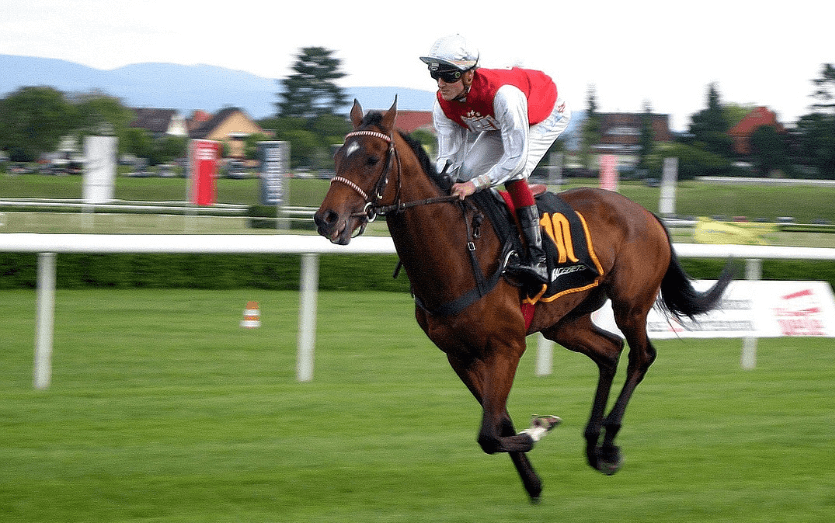
Becoming a successful jockey requires more than just a passion for horses. It involves mastering the intricate terminology of the sport, honing riding skills, and maintaining peak physical condition. Relationships within the racing industry can open doors, while mental resilience is vital for handling the pressures of competition. As aspiring jockeys navigate these aspects, they must also consider what strategies will set them apart in this demanding field. What are the key elements that truly define success?
Understanding the Basics of Jockeying
A solid foundation in the fundamentals of jockeying is crucial for aspiring riders aiming for success in the competitive world of horse racing.
Mastering jockeying terminology and understanding race strategies are essential components of this foundation. Knowledge of key terms enhances communication with trainers, while effective strategies empower riders to make informed decisions during races, ultimately leading to improved performance and greater freedom on the track.
Developing Riding Skills and Techniques
Mastering riding skills and techniques forms the backbone of a jockey’s success on the racetrack.
A jockey must develop an optimal riding posture, allowing for maximum control and balance. Additionally, understanding race strategies—such as pacing and positioning—enables jockeys to respond effectively to dynamic race conditions.
Continuous practice and analysis of these elements are essential for honing a jockey’s competitive edge.
See also: Horse Racing: How the Sport Has Evolved Over the Years
Building Relationships Within the Racing Industry
Establishing strong relationships within the racing industry is crucial for a jockey’s long-term success.
Effective networking strategies, such as attending industry events and engaging with peers, enhance visibility and opportunities.
Additionally, seeking industry mentorship can provide invaluable insights and guidance, fostering a supportive environment.
Maintaining Physical and Mental Fitness
Success in the racing industry not only hinges on building relationships but also on maintaining peak physical and mental fitness.
Effective nutrition strategies fuel a jockey’s demanding lifestyle, enhancing endurance and agility.
Additionally, cultivating mental resilience equips them to handle the pressures of competition.
Conclusion
In the exhilarating world of horse racing, becoming a successful jockey is akin to mastering a high-wire act on galloping giants. With a blend of skill, strength, and strategic finesse, aspiring jockeys must navigate the thrilling rollercoaster of this competitive sport. By cultivating relationships, honing techniques, and achieving peak physical and mental fitness, they can soar to dizzying heights of glory. Ultimately, the journey to jockey stardom is not just a race; it’s an epic odyssey on horseback!

 By
By