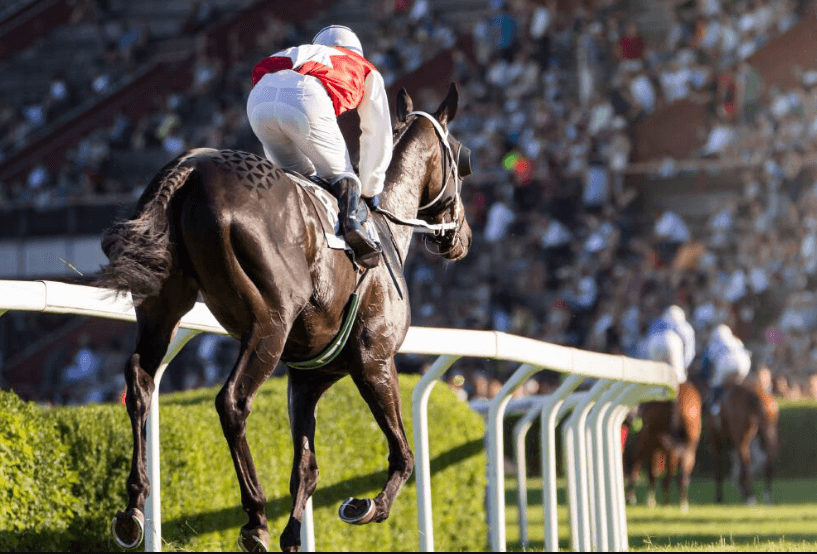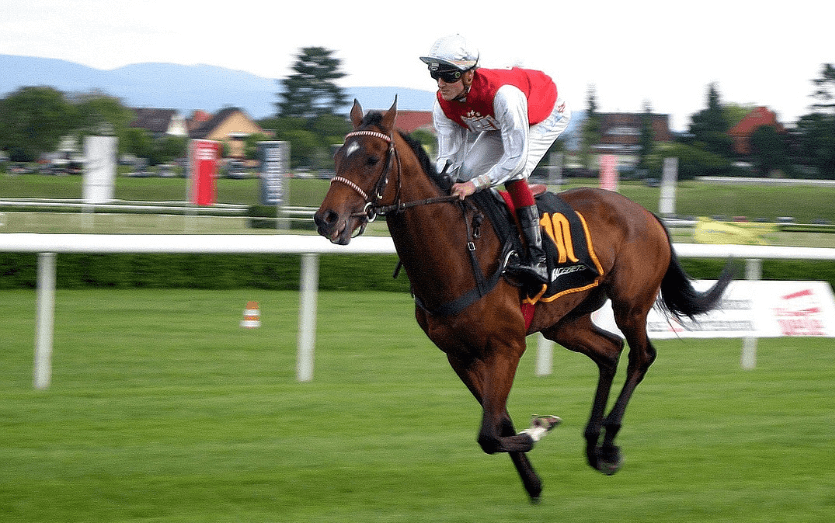
In the high-stakes environment of horse racing, jockeys face immense pressure to perform. Their ability to maintain focus is crucial for success. This focus stems from a blend of mental preparation and specific techniques. Jockeys utilize mindfulness practices, visualization, and concentration exercises to navigate the chaos of a race. Understanding these strategies reveals how they balance adrenaline and sharp decision-making under duress. What lies behind their mental fortitude and how does it shape their performance?
The Importance of Mental Preparation
Mental preparation is a crucial element in the performance of jockeys, where focus and clarity can significantly influence the outcome of a race.
Visualization techniques allow jockeys to mentally rehearse their strategies, enhancing confidence.
Additionally, effective goal setting helps them define objectives and track progress.
Together, these mental strategies foster a sense of freedom and control, empowering jockeys to perform at their best in high-pressure situations.
Techniques for Staying Present
Many jockeys employ specific techniques to enhance their focus and remain present during races.
Mindfulness techniques, such as deep breathing and visualization, help them anchor their attention. Concentration exercises, including repetitive mental cues, further sharpen their awareness of the race dynamics.
These practices enable jockeys to navigate the high-pressure environment, allowing them to make split-second decisions while fully engaged in the moment.
See also: Horse Racing: How It Has Evolved Through the Years
Managing Physical and Emotional Stress
While the thrill of racing can amplify a jockey’s adrenaline, effectively managing physical and emotional stress is crucial for optimal performance.
Jockeys often employ breathing exercises to regulate their heart rates and maintain focus. Additionally, visualization techniques help them mentally rehearse strategies, envisioning success and calming their minds.
These practices enable jockeys to navigate the intense pressures of competition with poise and clarity.
The Role of Experience and Intuition
Experience and intuition play pivotal roles in a jockey’s ability to navigate the complexities of a race.
Seasoned jockeys develop nuanced race strategies through years of practice, allowing them to make split second decisions that can alter the course of the competition.
This blend of knowledge and instinct enables them to anticipate movements, adapt to unforeseen circumstances, and ultimately enhance their chance of victory.
Conclusion
In conclusion, the intricate blend of mental preparation, mindfulness, and experiential knowledge equips jockeys to maintain focus amid the intensity of horse racing. By employing visualization techniques and concentration exercises, they transform the chaotic environment into a manageable landscape, enhancing their decision-making prowess. This analytical approach not only underscores the psychological demands of the sport but also illustrates how mental strategies serve as a foundation for success, showcasing the profound interplay between mind and performance in high-stakes situations.

 By
By